Pricing
5 Tips for Pricing Pre-Owned Watches
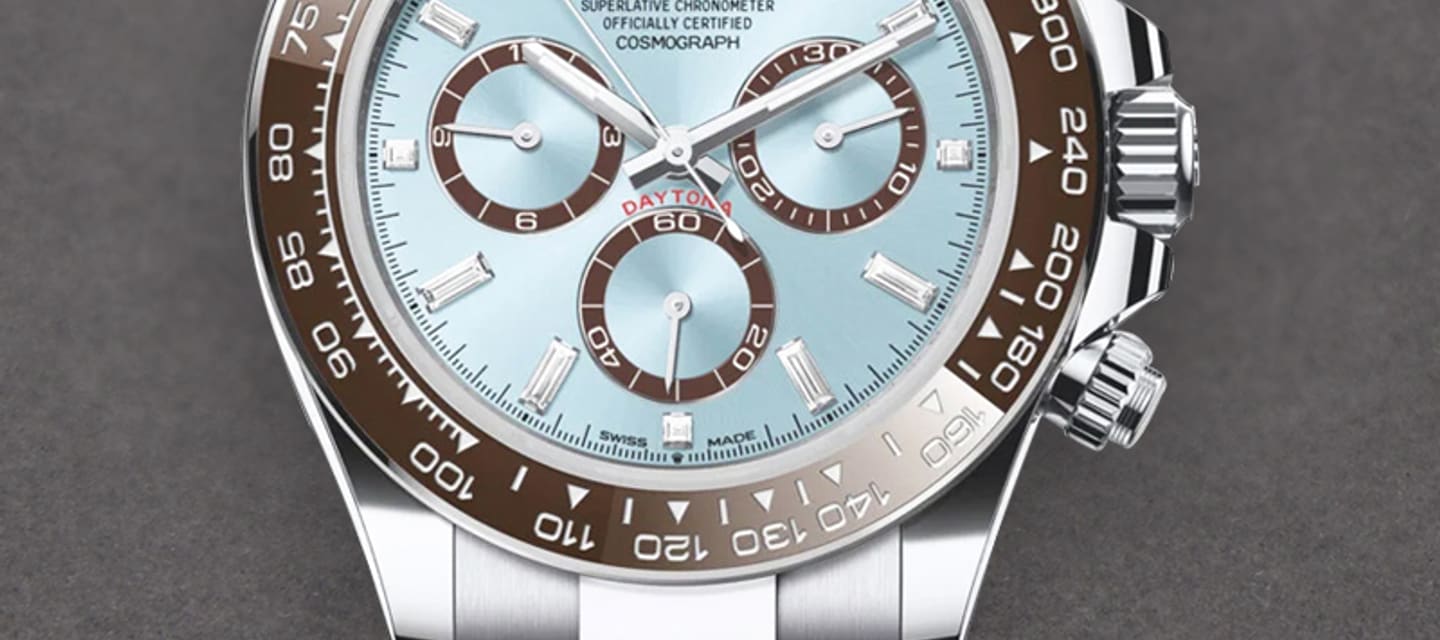
Most pricing mistakes happen before the watch is listed. A dealer anchors on the highest asking price he can find, adds a little for optimism, and then wonders why the piece is still in the safe at day ninety. Pricing pre-owned well is not a gift — it is a method. Here are the five habits that separate dealers who turn inventory from dealers who store it.
1. Work from sold prices, not asking prices
Asking prices are wishes. A marketplace listing can sit for a year at a number nobody has ever paid, and it will still show up first when you search the reference. Sold prices are facts.
Your best comps, in rough order: your own sales history on the same or a similar reference; numbers that actually cleared in your dealer groups — what a piece traded at, not what it was offered at; and recent auction results, read carefully for premiums, condition, and whether the set matched yours. Weight the last sixty to ninety days over anything older.
If you cannot find a recent sold comp at all, that is information too. The piece is illiquid, and your protection is the buy price, not a hopeful list price.
2. Grade condition like the buyer's watchmaker will see it
Two examples of the same reference can deserve very different numbers, and condition is where most of that spread lives. Grade honestly — over-grading gets you a sale, then a return, then a buyer who tells other dealers.
| Factor | What to check | How it moves the price |
|---|---|---|
| Polish history | Lug thickness, chamfers, caseback edges | A heavy polish caps the ceiling no matter how clean it looks |
| Dial and hands | Originality, spotting, relume, replaced parts | Drives premium or discount more than case wear does |
| Service history | Receipts, dates, who did the work | Documented service defends a premium; "recently serviced" without paper defends nothing |
| Running condition | Timekeeping, and amplitude if you can measure it | An overdue service is a cost the buyer will subtract — subtract it first |
If you are not certain a dial, bezel or bracelet is original to the watch, have it verified professionally before you price it as if it were. The cost of checking is trivial next to the cost of unwinding a sale.
3. Price the set you actually have
Full set and head-only are different products, and averaging between them is how you end up overpriced against naked watches and underpriced against complete ones. Box and papers carry a premium that varies a lot by brand and reference — and a full set often sells faster, not just higher. We dug into that math in Understanding Box and Papers Value.
If you are selling head-only, aim to be the cheapest honest example on the market, not the middle of a range built by full sets. Buyers cross-shop; your listing has to make sense sitting next to theirs.
4. Know your floor before you list
Your margin floor is your all-in cost plus the minimum you will accept for the work: purchase price, service and parts, shipping and insurance, selling fees, and the quiet cost of capital sitting in a safe instead of turning.
Set that number in daylight, when you list — not at eleven at night, three messages deep in a negotiation. If the piece is consigned or on memo, the floor comes from your agreement with the owner; know it cold before you quote anyone.
The floor is not the list price. It is the number below which you would rather keep the watch, trade it, or move it to the trade than sell it retail.
5. Reprice on a schedule, not when you happen to notice
Stale stock never announces itself. It just sits there, politely losing you money. The fix is a cadence:
- Weekly: sort your inventory by days in stock. Every watch gets a date on which it will be looked at.
- Around 45–60 days: re-pull comps. If the market moved, move with it — or improve the listing itself: better photos, a fuller description, a clearer condition report.
- Past 60 days: change the channel, not just the number. A piece that is dead retail can clear same-day when offered to the trade — see Maximizing WhatsApp Dealer Groups.
- Past 90 days: make a decision. Cut to your floor, trade it, or wholesale it out. A small loss today usually beats a bigger one in six months, plus the deals you could not do with the cash frozen.
The point is not to slash prices. It is that every watch gets reviewed on a date you chose, instead of whenever you happen to walk past the case and wince.
Make the review a report, not a gut check
All five habits get easier when the numbers live in one place. WatchFlow tracks days-in-stock, cost and ownership (owned, consigned or memo) on every piece, and its reports surface best movers, dead stock, and cash collected versus owed — so the weekly repricing pass is a report you run rather than a feeling you have. When you do reprice, the included retail and wholesale storefronts stay in sync with your inventory automatically. The full rundown is on the features page.